Why Does the Bitcoin Price Spike During Certain Hours?
Why Does the Bitcoin Price Spike During Certain Hours?
Bitcoin is known for its high volatility, and it’s not uncommon to see price peaks and troughs every day. It’s important to understand what drives this volatility and why it happens.
Crypto trading is a global activity and prices are dictated by players from around the world. This includes Asia, Europe, and the Americas.
Why is the price of BTC so volatile?
It’s no secret that Bitcoin is a volatile asset. It is not uncommon to see the price of BTC spike or plummet 10% or more in a single day. This volatility can be frustrating for investors who are looking to make a profit from their investments. However, understanding what drives the price of BTC can help to reduce this frustration.
Like any other commodity, the price of Bitcoin is determined by supply and demand. When there is more demand for Bitcoin, the price will rise. When there is less demand for Bitcoin, the price will drop. However, unlike fiat currencies, the price of Bitcoin is not driven by government decisions or central bank interventions. Instead, the price of Bitcoin is determined by a market of buyers and sellers, acting on their collective belief that the price will rise or fall.
This market of buyers and sellers is often influenced by news events or trends that can cause fear or doubt about the future of Bitcoin. Whether this is because of political pressure, technical failures, or media coverage under the umbrella term of FUD (Fear, Uncertainty, Doubt), these news events can have a significant impact on the price of Bitcoin.
In addition, the btc price is influenced by speculation and investor sentiment. When there is a positive sentiment about Bitcoin, the price will rise. This is because people will be more willing to buy the currency if they believe that it will increase in value.
Another factor that can affect the price of Bitcoin is the amount of gas being used by the network to transact. When the price of Bitcoin is higher, more gas is needed to process transactions. This can lead to an increase in transaction fees on the exchanges, which can push the price of Bitcoin down.
Finally, the price of Bitcoin is also impacted by the availability of liquidity on the exchanges. When there is a lot of liquidity on the exchanges, it can make it easier to buy and sell BTC at favorable prices. When there is little or no liquidity, the price of Bitcoin can be more difficult to predict and can move much more dramatically.
What drives the price of BTC?
Bitcoin is a digital currency that has been in existence since 2009. The coin uses blockchain technology as its backbone. This technology allows for the creation of crypto-tokens that can be traded on the Bitcoin marketplace. This platform is completely decentralized, which makes it highly secure and transparent. Bitcoin has experienced significant price volatility over the past few years.
Many factors influence the price of Bitcoin. The most influential are supply and demand. When demand for the cryptocurrency exceeds supply, prices rise. Conversely, when demand for the cryptocurrency falls, prices drop.
In addition to supply and demand, the price of Bitcoin is also influenced by investor sentiment. This can be impacted by a wide variety of factors, including geopolitical events, regulatory changes, and market manipulation. Because of this, it is difficult to predict the price of Bitcoin in the long term.
As a result of this volatility, some investors have turned to stablecoins as an alternative to Bitcoin. These stablecoins offer the benefits of Bitcoin without the wild price swings. This has helped to support the price of Bitcoin in recent months.
Bitcoin has also benefited from low interest rates, which have encouraged some investors to seek out riskier assets in search of higher returns on their investments. This trend has been exacerbated by the recent launch of a US ETF that will allow mainstream investors to invest in the cryptocurrency.
Lastly, bitcoin is seen as a hedge against inflation. Its finite supply (21 million coins) prevents the inflation that has historically eroded the value of traditional currencies.
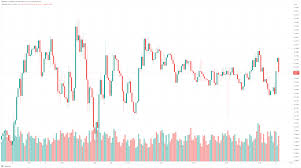
Despite its volatility, bitcoin remains an attractive investment for many investors. Its price has risen significantly in the past year, and it continues to be an exciting asset to watch as it develops. However, it is important to remember that the price of bitcoin is still volatile and should be treated as a risky investment. Investors should always do their own research before making any investment decisions.
What is Bitget?
Bitget is a cryptocurrency exchange that offers users a range of features, including spot trading, margin trading, and futures trading. It also offers peer-to-peer (P2P) trading, which allows users to trade directly with each other without the use of an intermediary. This feature can be particularly useful for people who are new to the crypto market and want to avoid the risk of losing their digital assets.
The platform also offers a variety of tools to help traders make informed decisions. These include real-time charts and technical analysis indicators. It also supports various order types, including limit, market, and stop-limit orders. Moreover, Bitget is compliant with KYC and AML regulations to prevent money laundering and terrorist financing. Furthermore, it prioritizes user security by implementing strong encryption technologies and two-factor authentication (2FA) to protect its users’ assets.
In addition to spot trading, Bitget also offers Margin Trading and USDC-M Futures. Margin trading allows traders to trade cryptocurrencies using funds that are not currently on deposit with the exchange. This allows them to take advantage of leverage opportunities and potentially increase their profits. However, it is important to note that Margin Trading comes with its own set of risks, such as price drops or a margin call. Bitget mitigates this risk by using isolated margin, which keeps the borrowed funds separate from the initial deposits.
Additionally, Bitget offers USDC-M Futures, which are perpetual contracts that are settled in USD Coin. These futures allow traders to speculate on the future value of a cryptocurrency. Similar to spot trading, USDC-M Futures come with a flat fee of 0.02% for maker orders and 0.06% for taker orders. Traders can also reduce their fees by using Bitget’s own token, BGB, to pay the fee. Lastly, Bitget offers a number of different payment methods for users to buy and sell crypto, including direct deposits from their bank account and Visa and Mastercard cards. It does, however, not support American Express, which may be a turnoff for some investors.
How do I trade BTC?
While bitcoin is a volatile asset, investors can make money by buying and selling the cryptocurrency. However, it’s important to understand the risks associated with trading BTC before investing in this market. As with any investment, you should always conduct your own research and only trade with money that you can afford to lose.
In order to buy BTC, you’ll need to open an account with a cryptocurrency exchange. The exchange will allow you to deposit fiat currency into your account, and then purchase BTC with that money. The exchange will typically charge a small transaction fee each time you buy or sell BTC. The best time to buy BTC is in the early morning, as prices are typically lower at this point.
Once you’ve purchased some BTC, you can use it to buy other assets, or you can hold on to it until the price is high enough to sell. Some experts recommend “buying the dips,” which means acquiring BTC at a low price and holding it until the price rises again. Other people prefer to day trade, which is the process of purchasing and selling assets during short-term periods.
The price of BTC is driven by supply and demand, similar to any other stock or commodity. Investors’ fears and greed can also drive the price up or down. For example, if a large investor (known as a whale) decides to sell their BTC, this can cause prices to plummet.
As Bitcoin matures, its role in diversified investment portfolios is becoming increasingly recognized. Traditionally, portfolios have included a mix of stocks, bonds, real estate, and commodities. Bitcoin offers a new asset class with unique characteristics, such as decentralization, limited supply, and independence from traditional financial systems.
One of Bitcoin’s most significant advantages is its low correlation with traditional assets. During periods of economic instability, Bitcoin has often moved independently of stock markets, making it an attractive option for diversification. However, its correlation with equities has increased in recent years, particularly during major macroeconomic events. This shift reflects Bitcoin’s integration into the broader financial ecosystem, where global liquidity conditions impact all asset classes.
In addition, the price of BTC can be influenced by news and events. For instance, if there’s a political event coming up, the price of the cryptocurrency may surge as investors anticipate the outcome.
Finally, the price of BTC can be affected by regulatory actions and laws. For example, if the IRS changes its tax treatment of Bitcoin, this can affect the price.


Post Comment